Australia
 United States



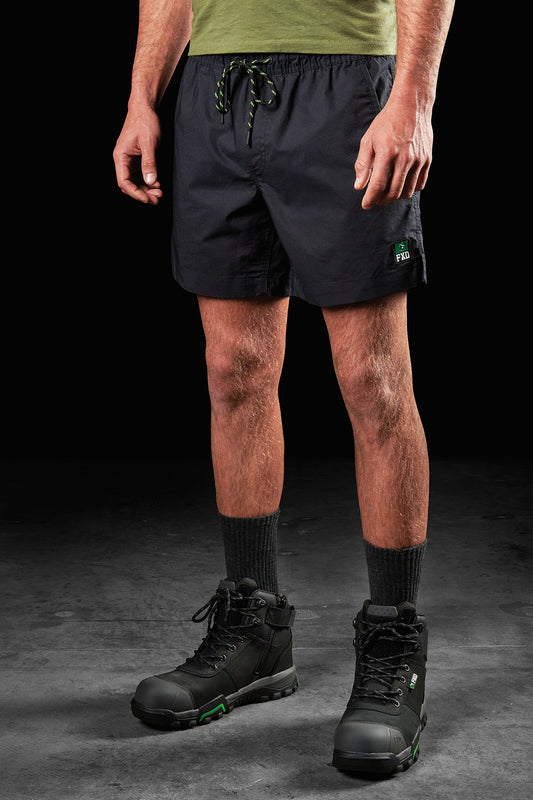
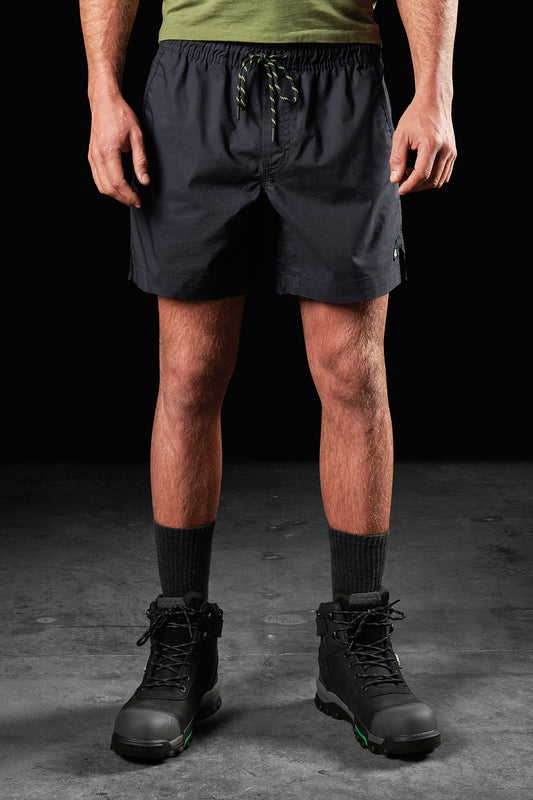


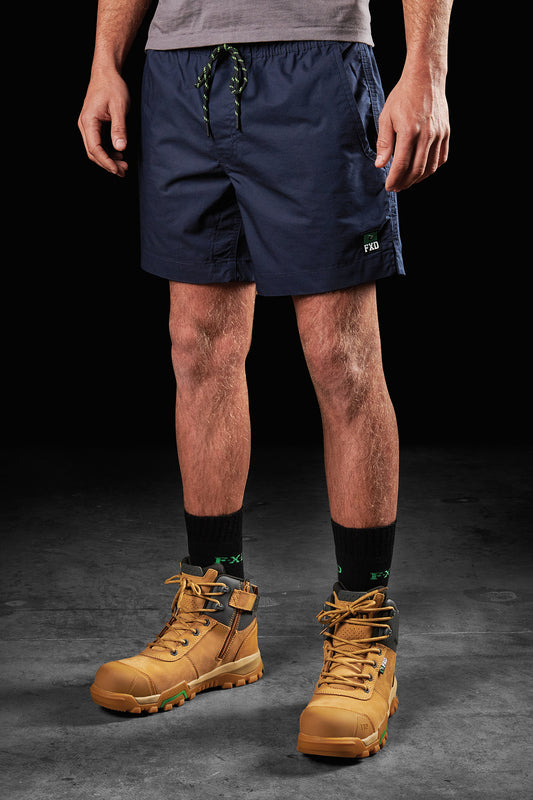
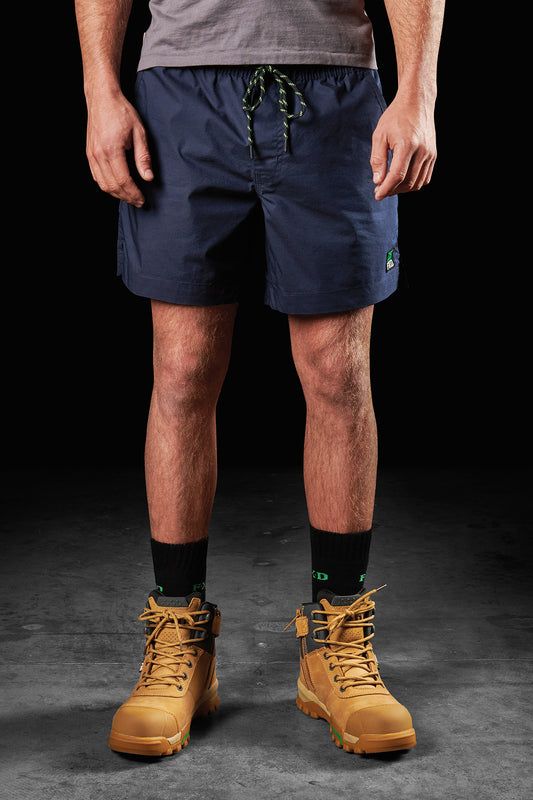


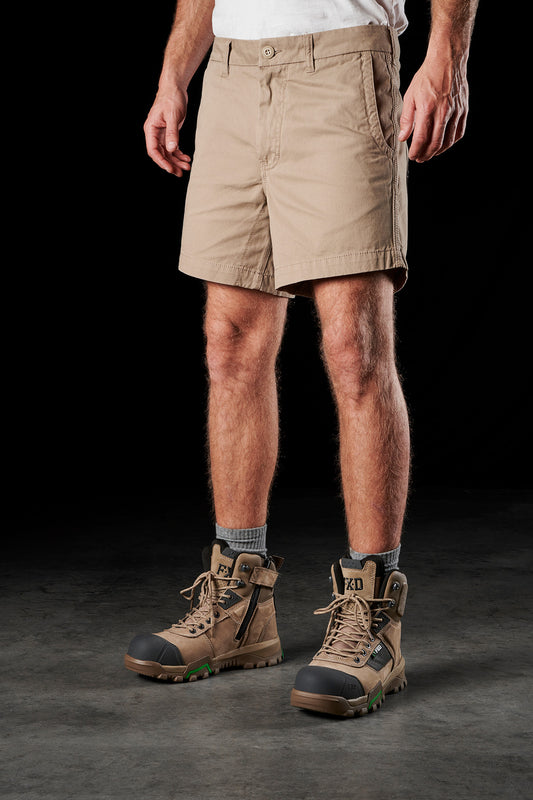
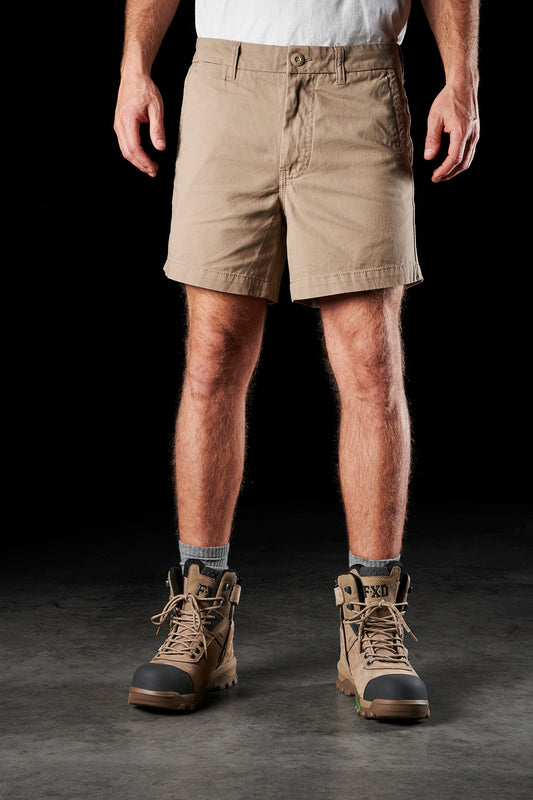


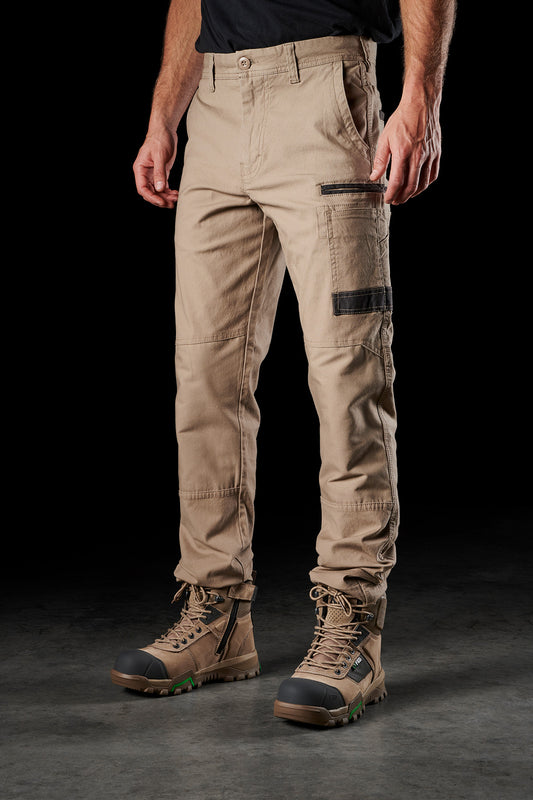
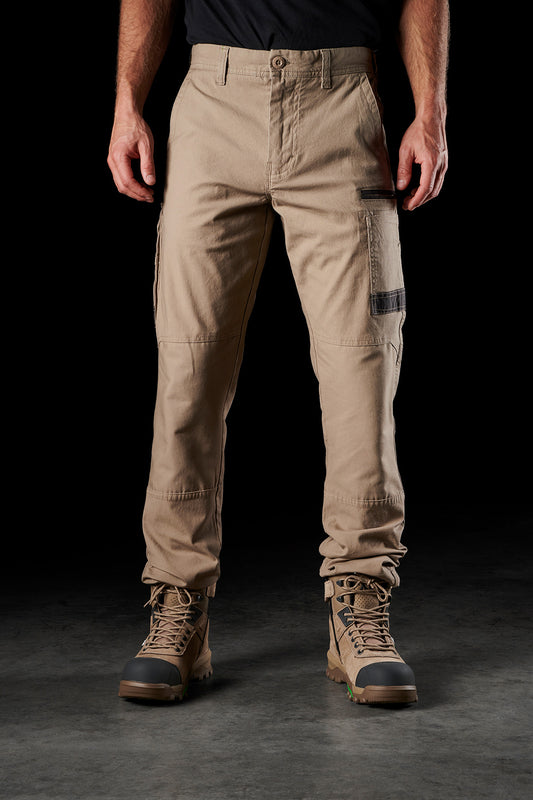


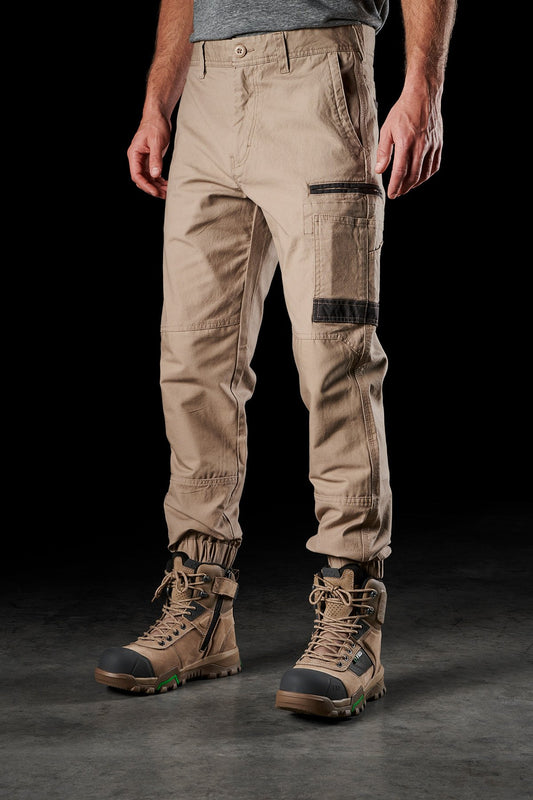
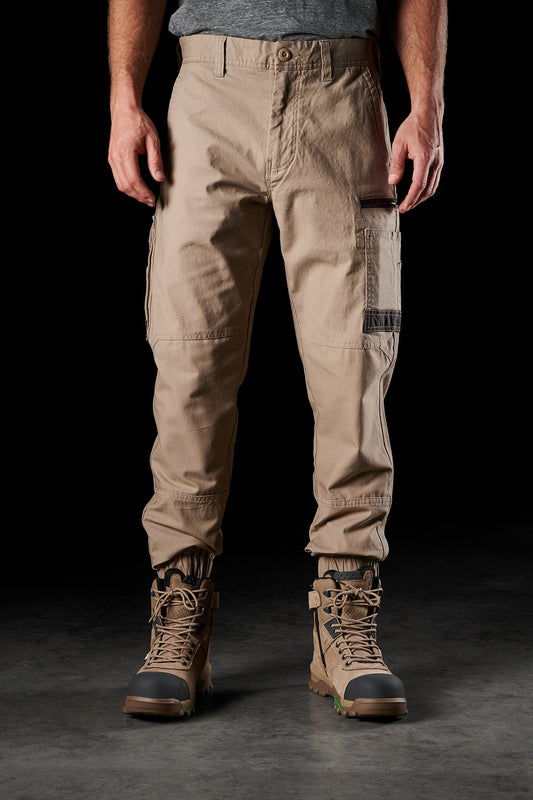


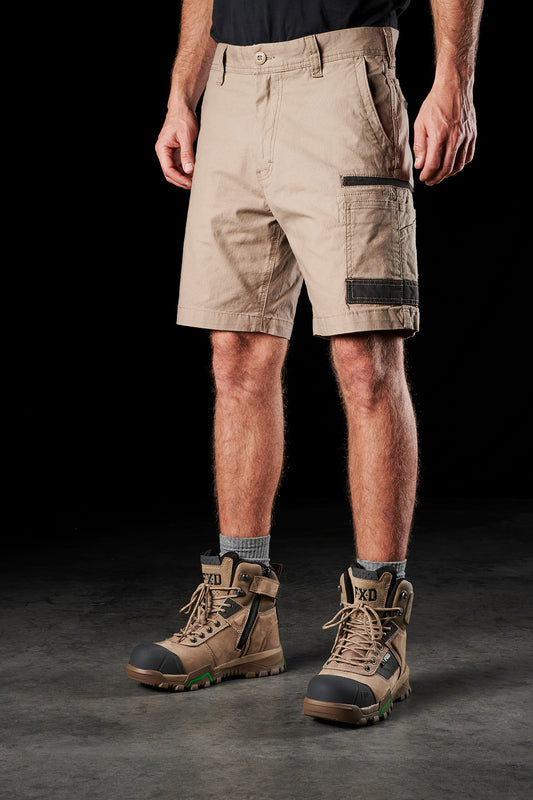
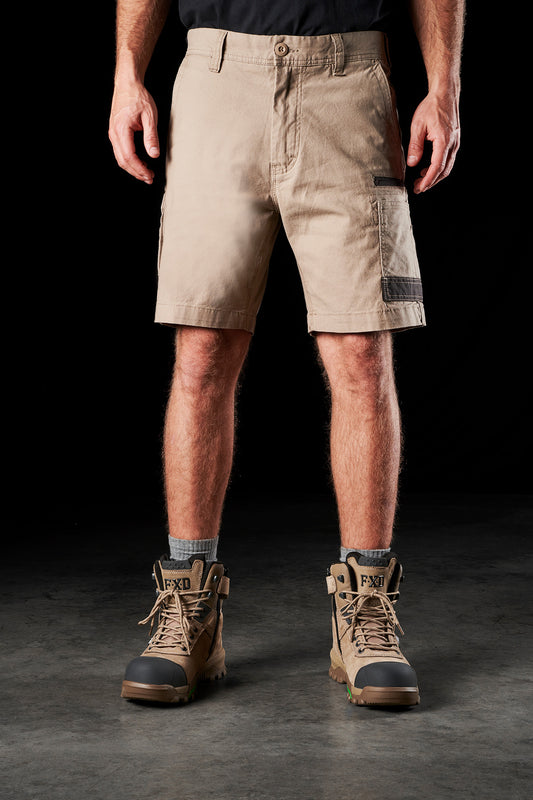




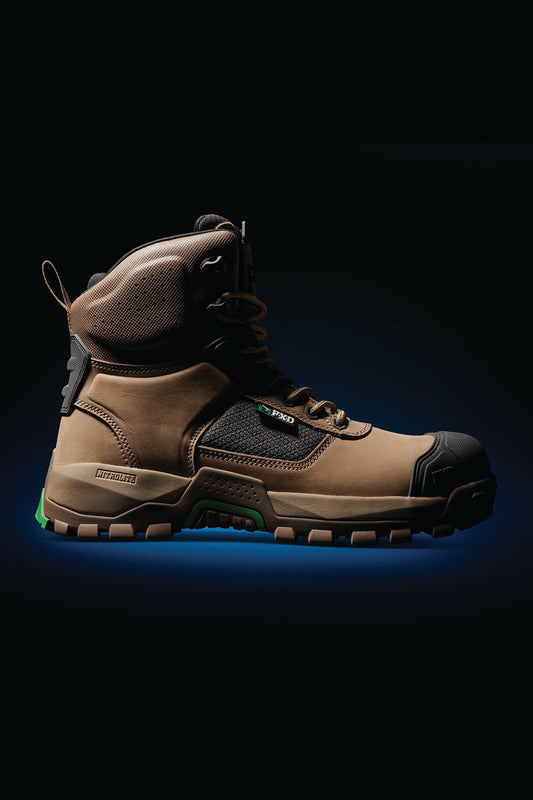
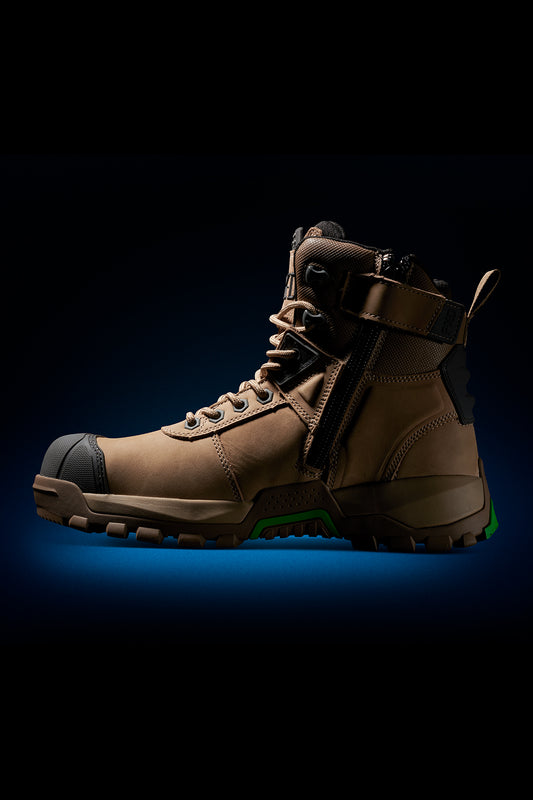


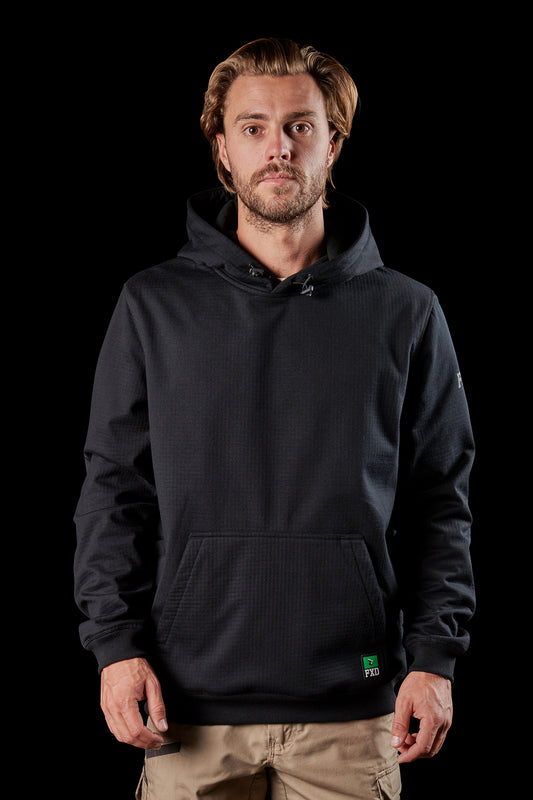
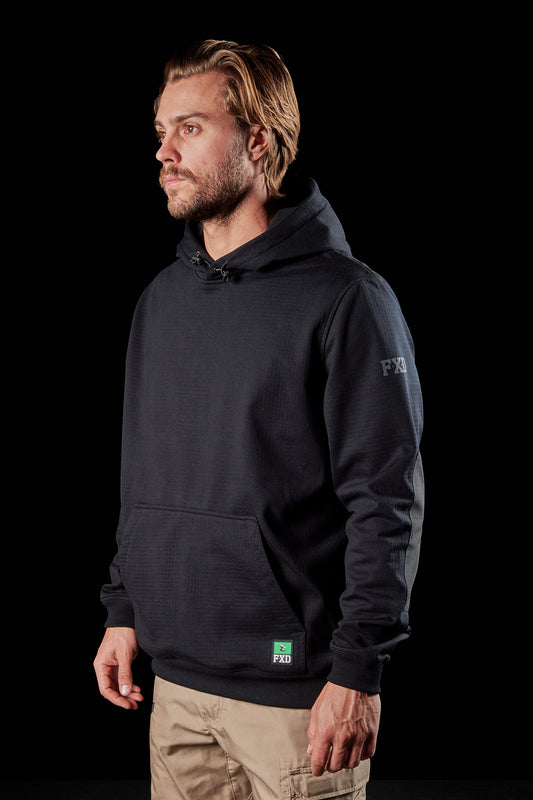


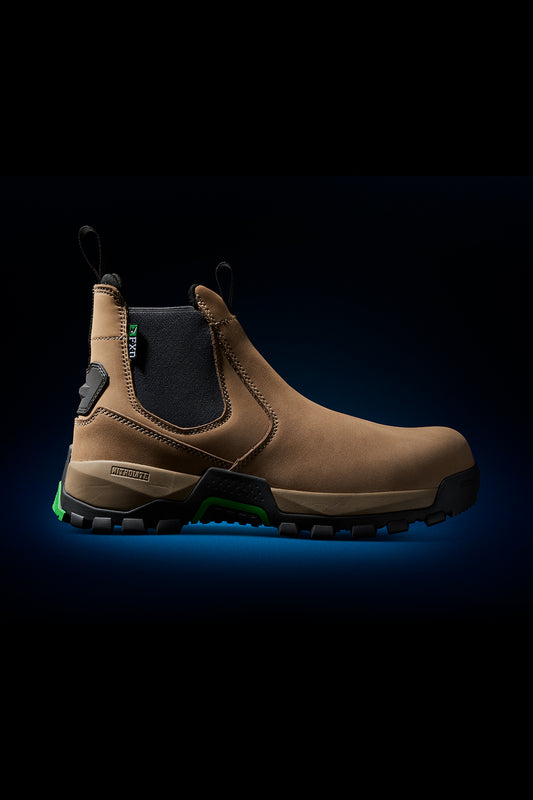
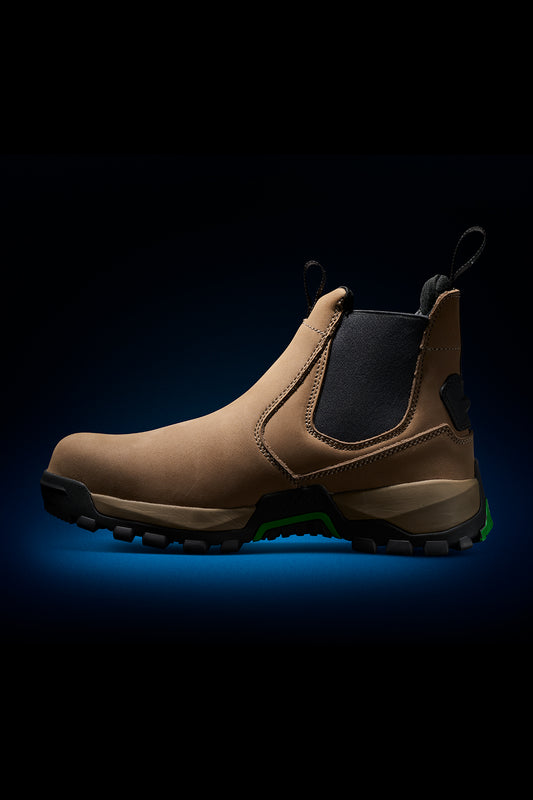


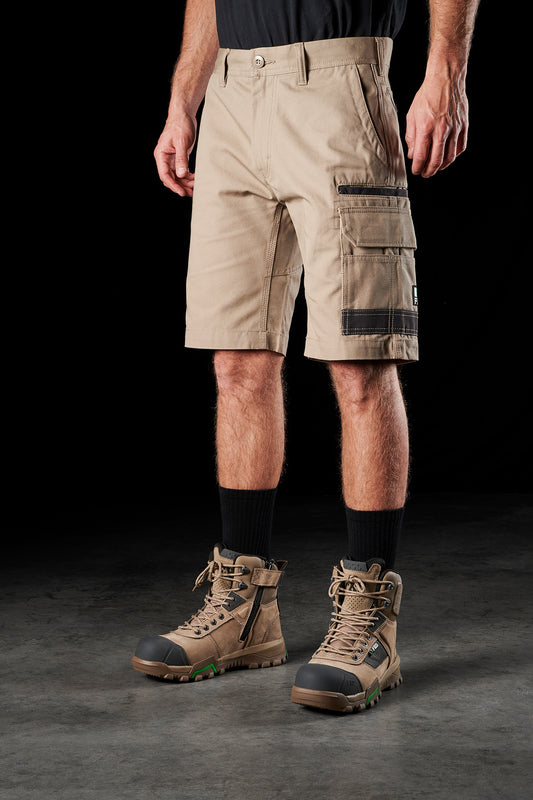
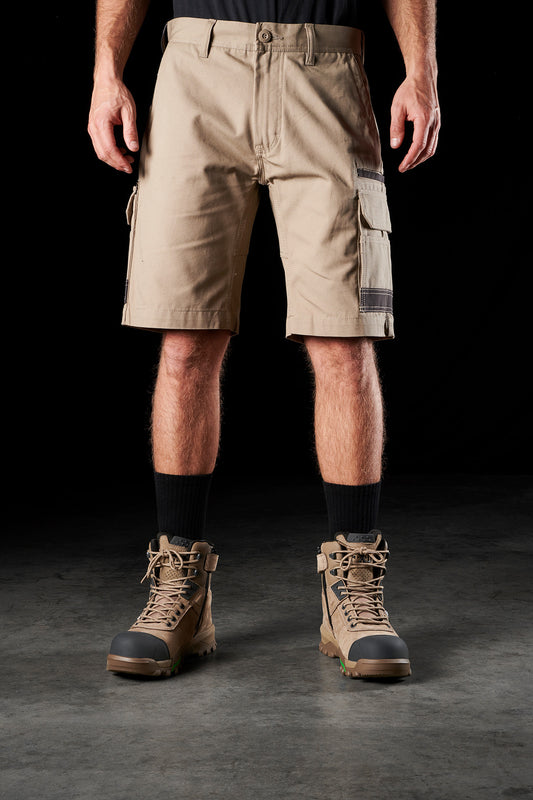


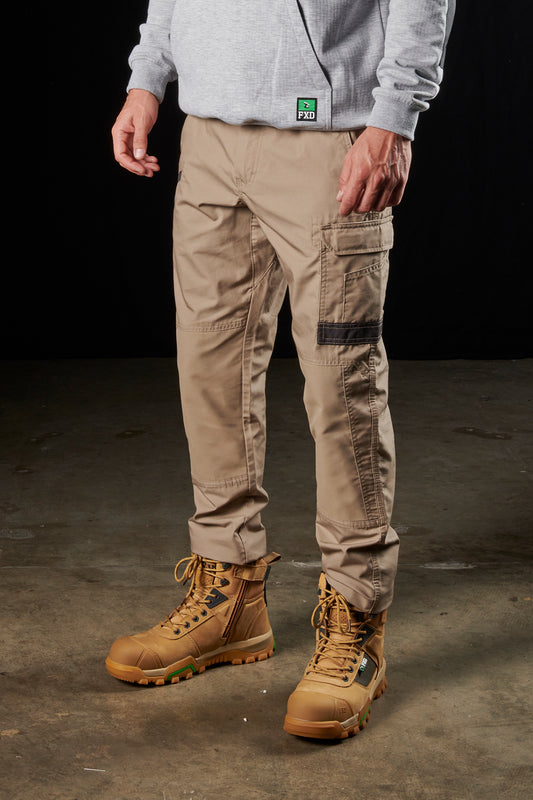
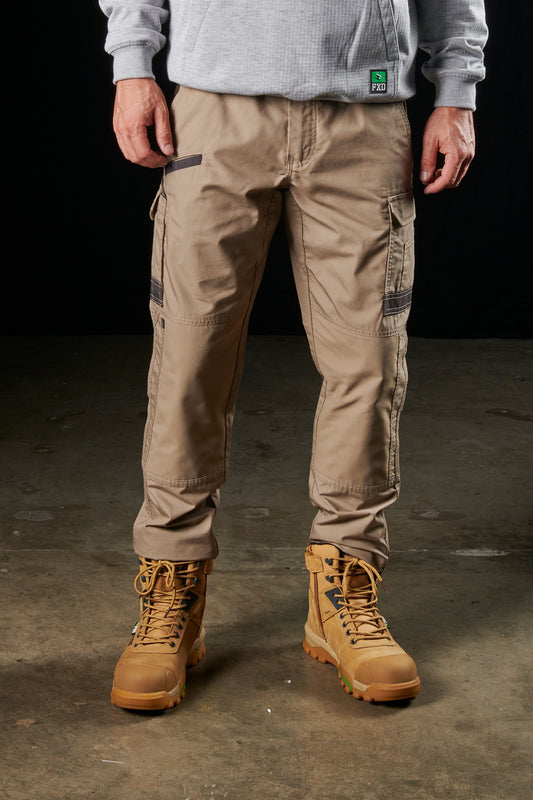


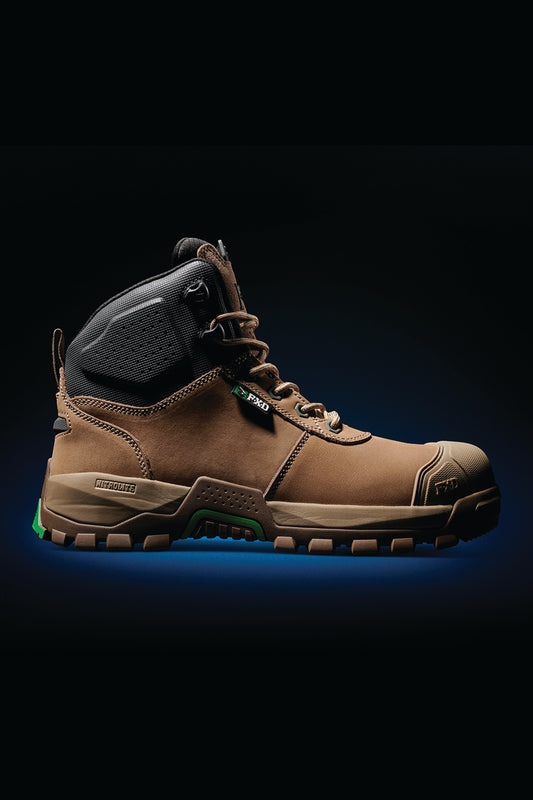
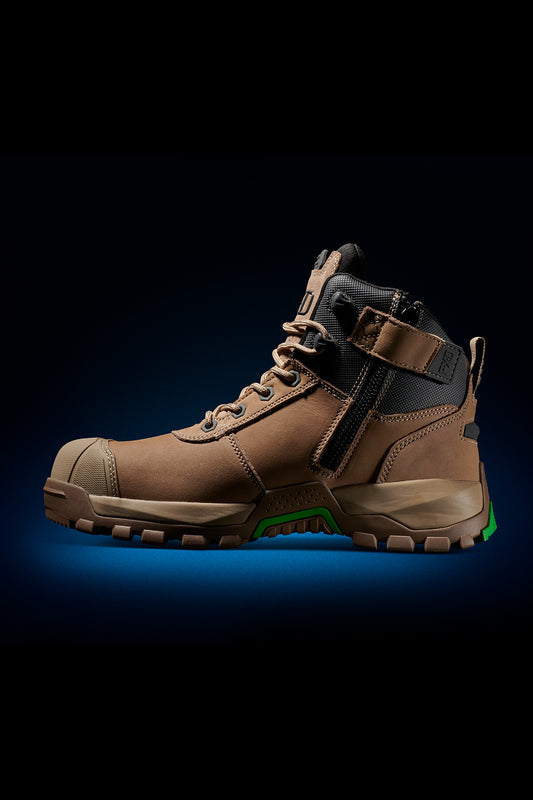


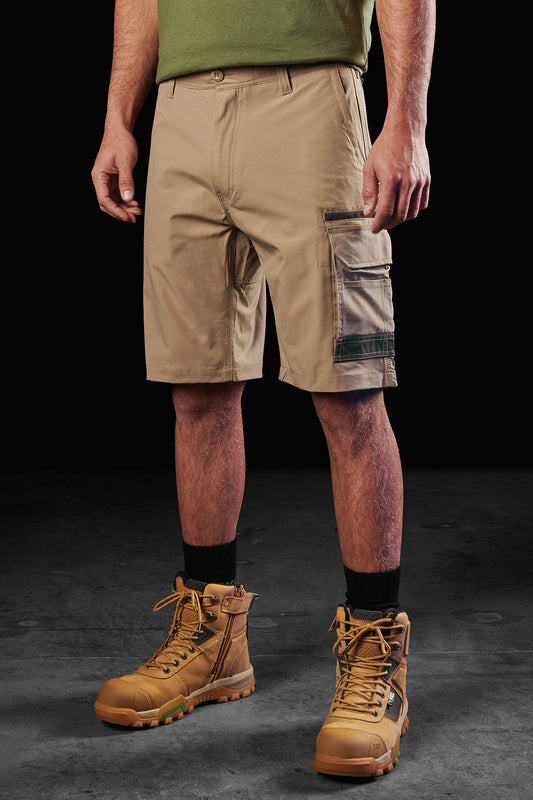
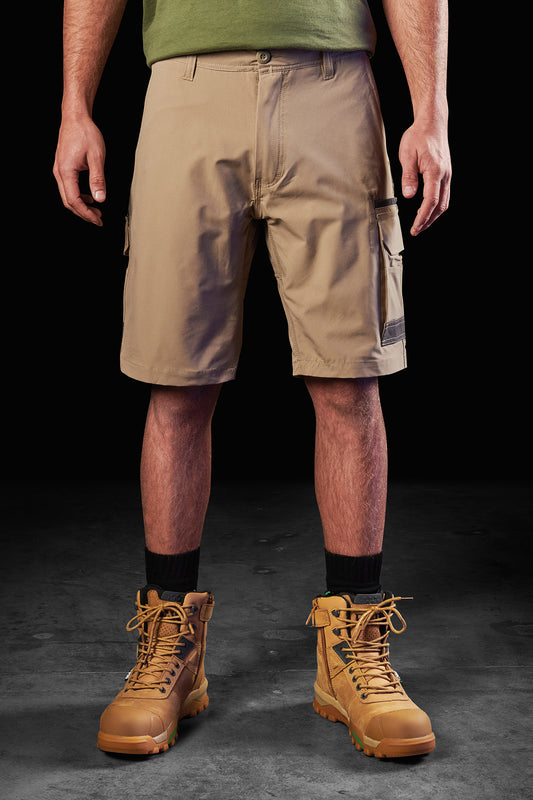


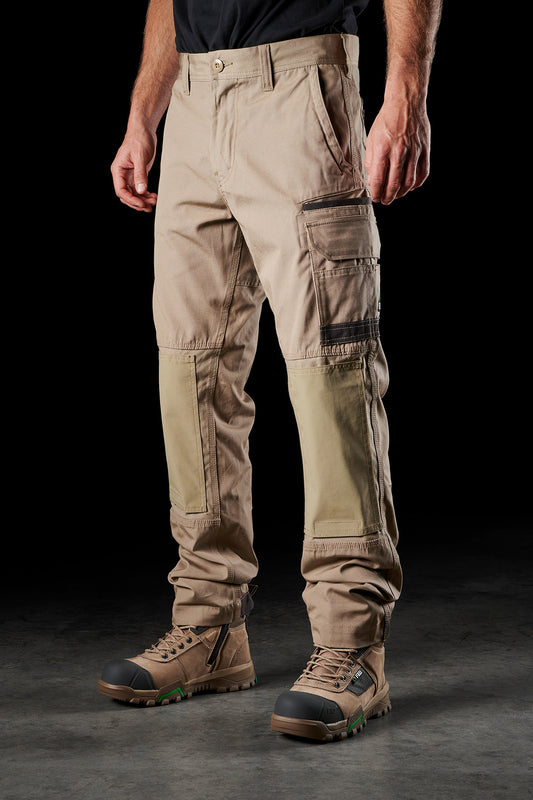
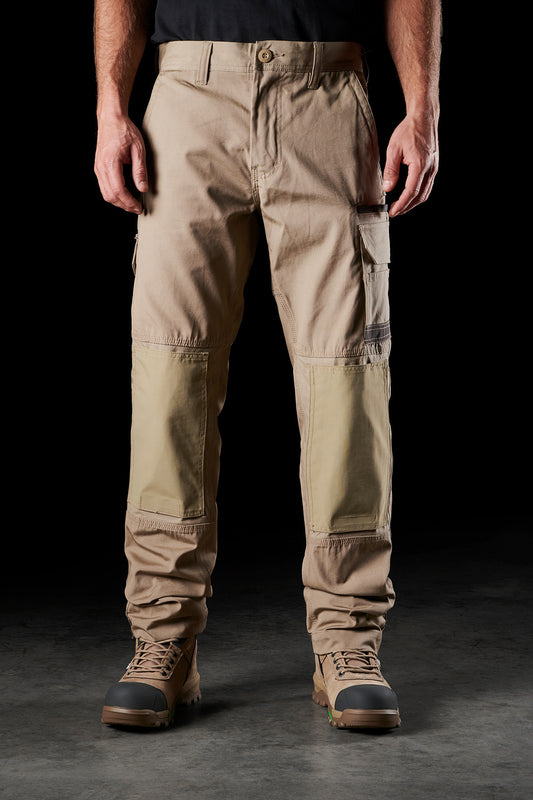


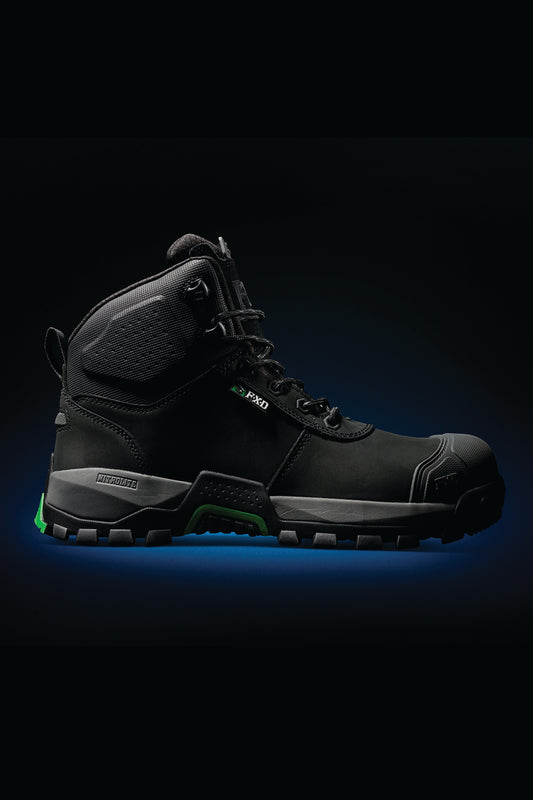
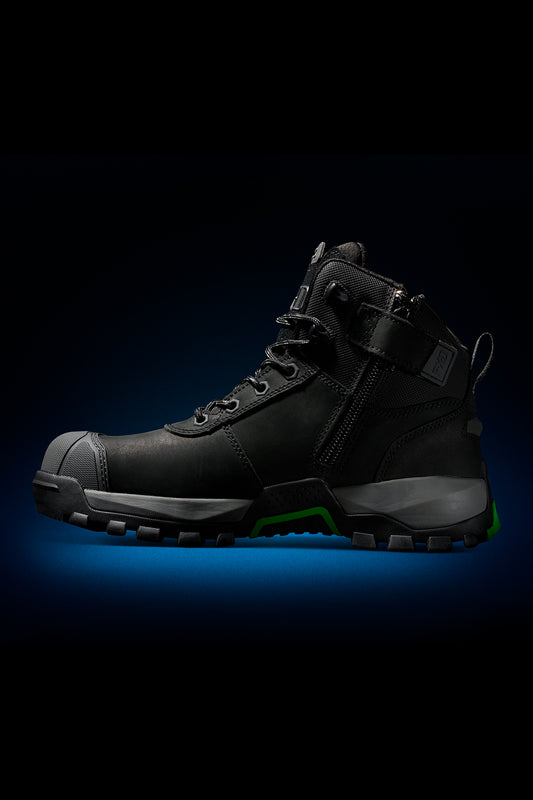


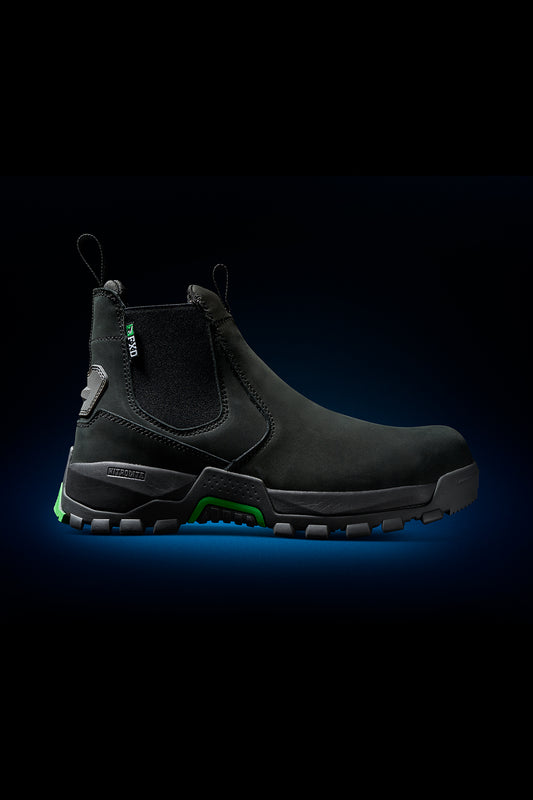
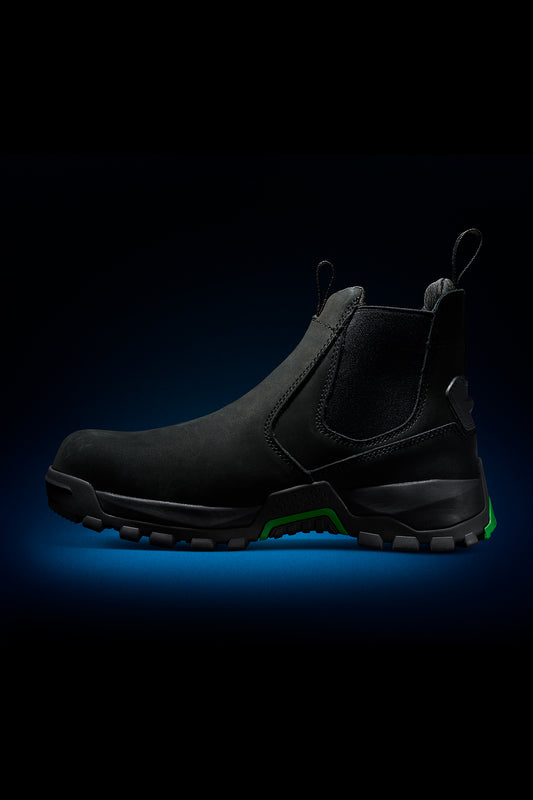


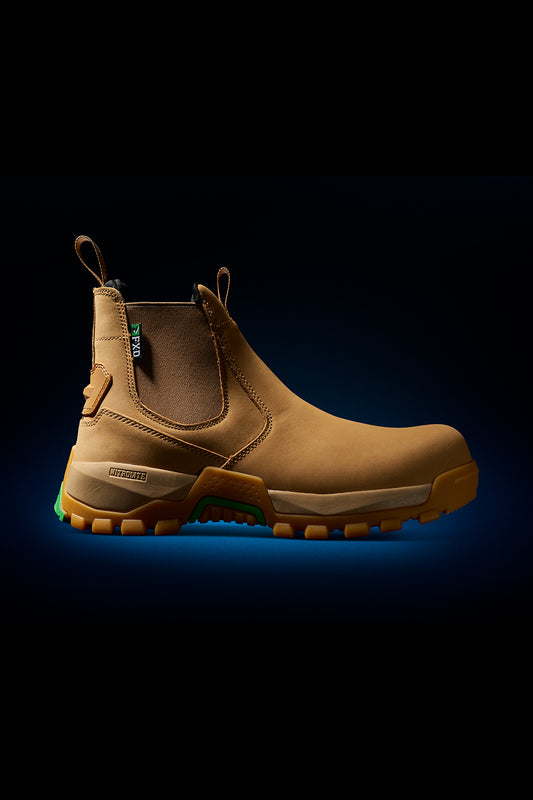
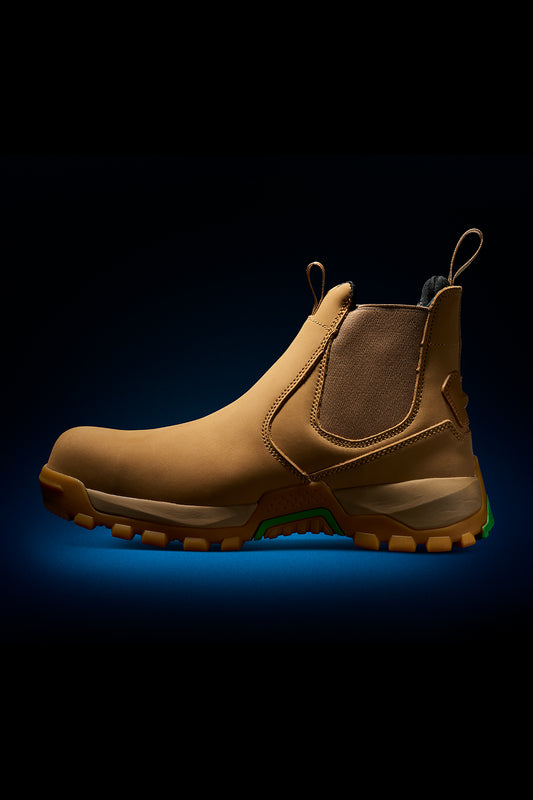


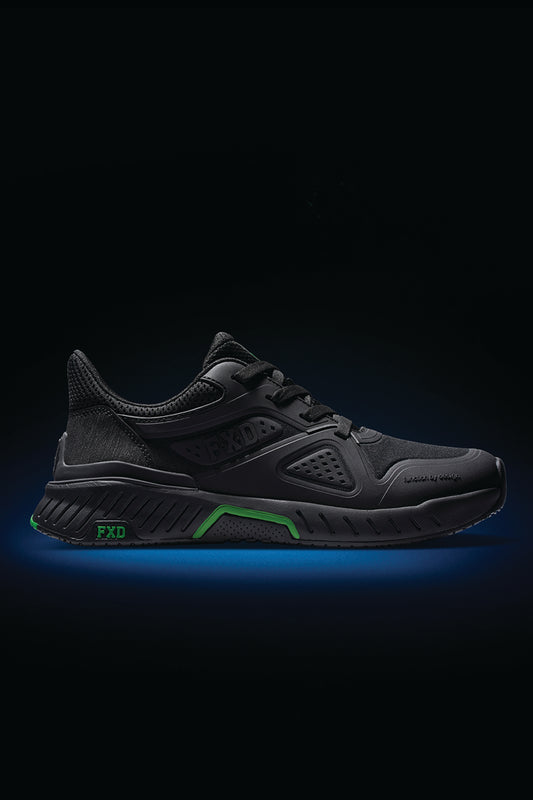
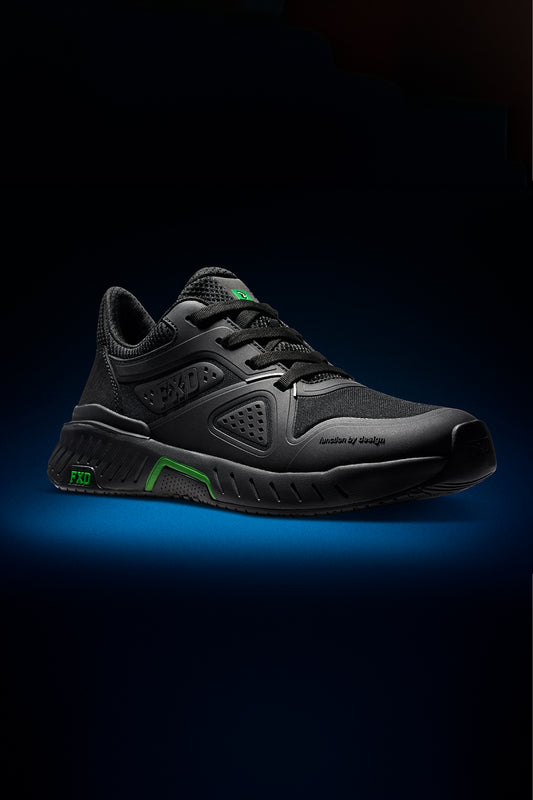


Wet-Weather Hi-Vis Scaffolder Jackets, Pants and High-Cut Boots
Scaffolding work happens in exposed, changeable weather, often at height where you're clipping and unclipping repeatedly as you move along a structure. You need hi-vis that's genuinely rated for wet weather, not just certified for daylight, and boots that support the ankle through constant climbing.
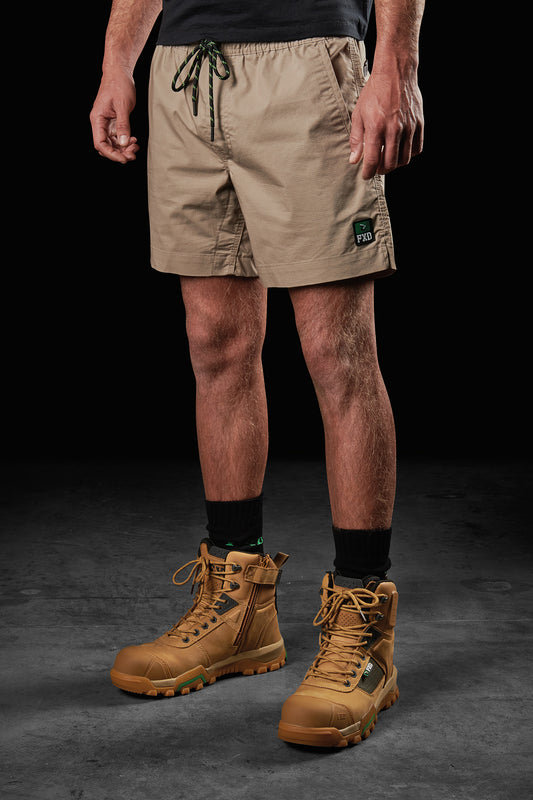
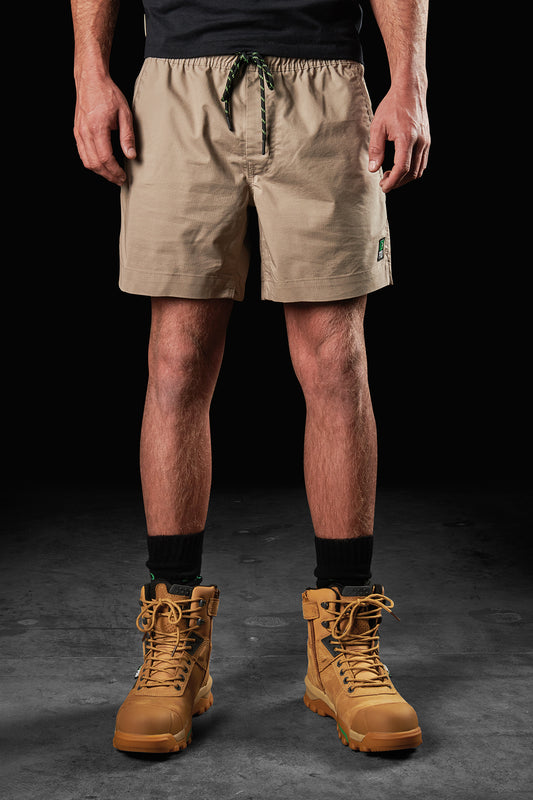
Scaffolder Hi-Vis Work Pants and Shorts
- 240GSM taped ripstop with bio-motion reflective tape (WP.12T) Certified to AS/NZS 1906.4:2023 for visibility from multiple angles
- DURA500 abrasion-resistant reinforcing Withstands repeated handling of tubes, boards and clips
- Elasticated waist Stays comfortable under fall-arrest gear
Scaffolder Hi-Vis Shirts and Outerwear
- Taped hi-vis softshell jacket rated suitable for wet weather (WO.4T) Certified Hi-Vis Class F Class D/N Level 2 to AS 4602.1:2024, unlike several other taped hi-vis pieces in the range that are day or day/night rated but excluded from wet-weather use
- Brushed fleece backer Adds warmth without the bulk of a fully insulated jacket
- Centre-front YKK zip with chin guard Seals up quickly when conditions change at height
Scaffolder Safety Boots
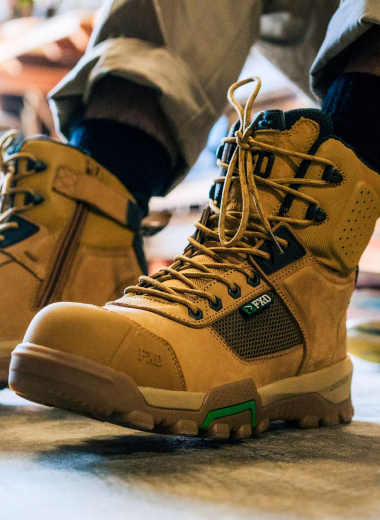
- High-cut (6") composite safety-toe build (WB.1) Supports the ankle through repeated climbing and walking on platforms
- 62-durometer slip/oil/heat-resistant outsole Keeps footing on wet or oily surfaces
- YKK heavy-duty coil zip Allows quick entry and removal between climbs
The work jackets range includes the taped hi-vis softshell rated suitable for wet weather, which is worth checking specifically before assuming any hi-vis garment doubles as rainwear. For scaffolders working alongside rigging crews, the rigger workwear range covers similar fall-arrest and abrasion demands.
Scaffolder Workwear FAQs
Which FXD jacket is actually rated for wet weather compared to the others?
The WO.4T taped hi-vis softshell is rated suitable for wet weather under AS 4602.1:2024, unlike several taped hi-vis pieces elsewhere in the range that are day or day/night rated but specifically excluded from wet-weather use. That distinction is worth checking before assuming any hi-vis garment doubles as rainwear.
What's the actual difference between the insulated jacket and the softshell jacket?
The insulated jacket (WO.1) adds a 140GSM polyester fill layer for warmth on top of its waterproof membrane, while the softshell (WO.3/WO.4T) trades that insulation for a lighter, brushed-fleece backer, so the choice comes down to whether warmth or freedom of movement at height matters more.
Why does the scaffolder pant use an elasticated waist rather than a fitted one?
An elasticated waist, like the one on the WP.12, accommodates the bulk of fall-arrest gear worn over the pant, which a fitted waistband would bind against during repeated clipping and unclipping at height.